E-cooking offers promising opportunities for rural enterprises in Nepal, boosting savings, health, and micro-hydropower sustainability. Our new report highlights key findings from twenty small businesses in Baglung.
New Project: Strengthening Open Source ELC Development In Southeast Asia
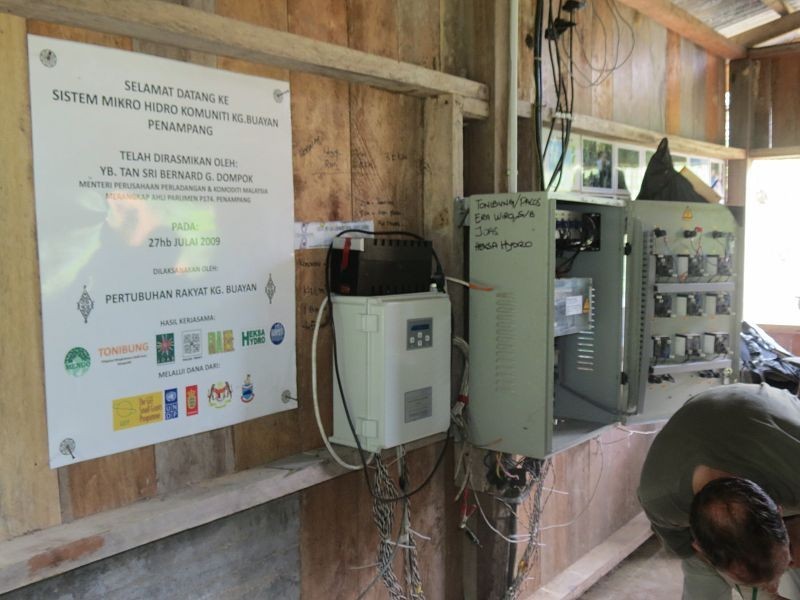
Electronic load controllers (ELCs) are one of the most crucial and complex components of micro-hydro systems. One of our new exchange activities in cooperation with Green Empowerment aims to improve an existing open source ELC design and to provide specific and in-depth training to practitioners for ELCs to be correctly installed and maintained throughout Southeast Asia.
Electronic load controllers are important in micro-hydro systems because they maintain the electrical specification within safe parameters through monitoring variable consumer demand and balancing it with the power generated by a turbine. While micro-hydro civil works, turbines, generators and transmission lines can be installed using locally available technical skillsets, ELCs require more specific and in-depth training to be correctly installed and maintained.
This SEPS exchange activity in cooperation with Green Empowerment, Tonibung and Sibat has two specific objectives: (1) to continue to build and strengthen local capacities around ELC installation and development; and (2) to further improve an existing open-source ELC design.
Read more details about the foreseen activites on our project website: Exchange: Strengthening Open-Source ELC Development in Southeast Asia.