E-cooking offers promising opportunities for rural enterprises in Nepal, boosting savings, health, and micro-hydropower sustainability. Our new report highlights key findings from twenty small businesses in Baglung.
Macro Lessons For Micro Hydro In Nepal
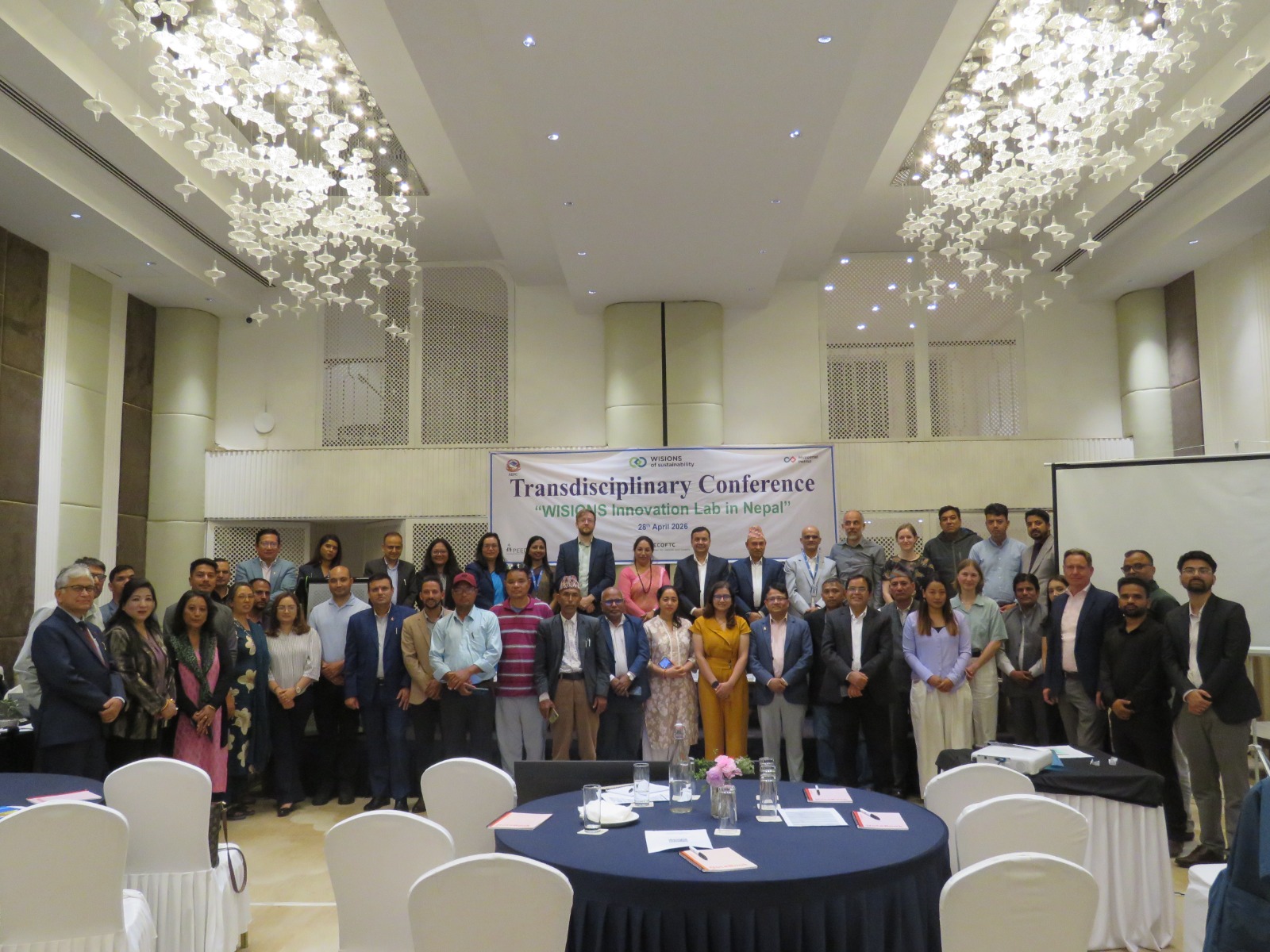
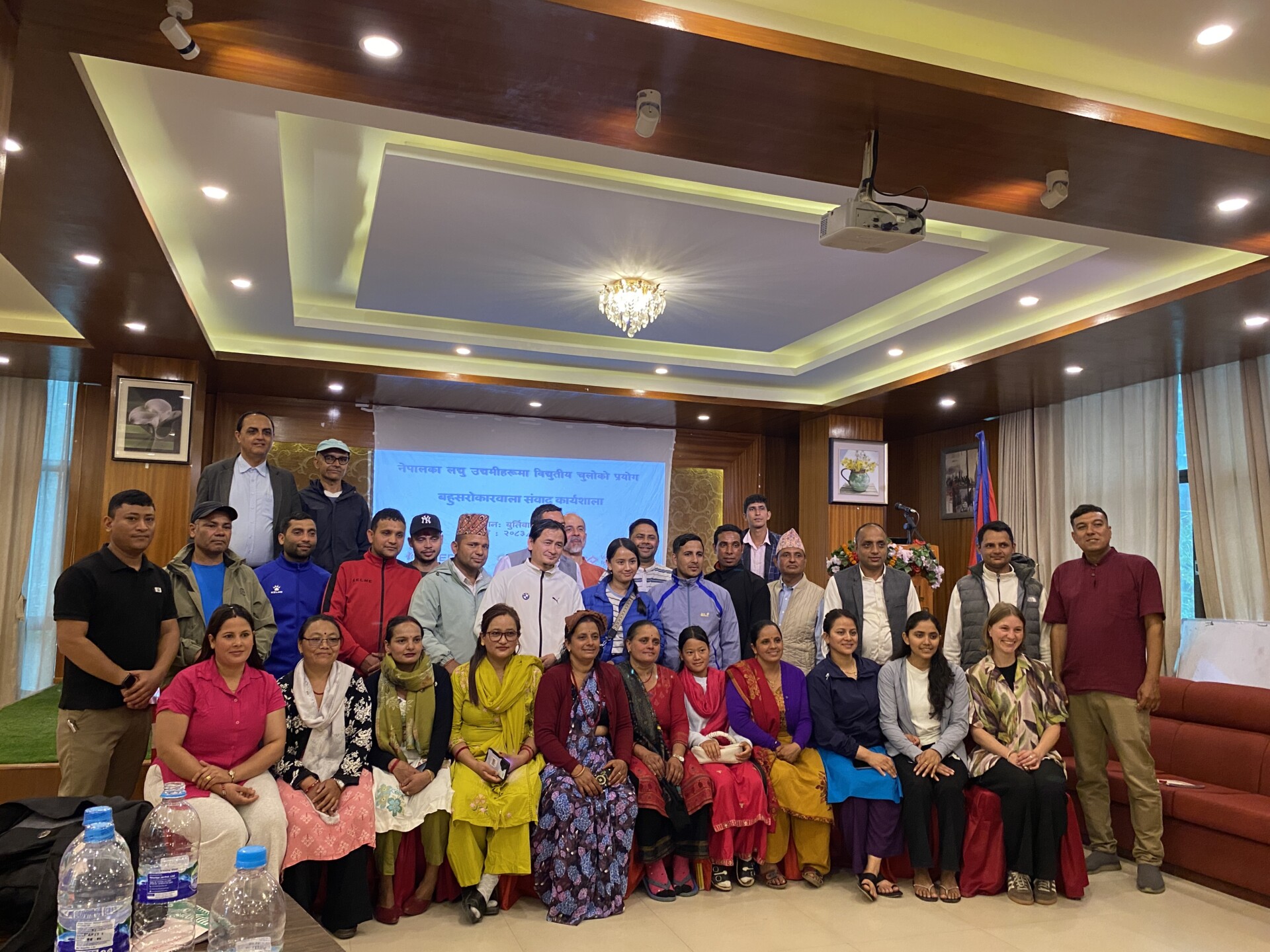
Winrock International has a long history in Nepal’s micro-hydro industry, a legacy which was much in evidence in a series of learning and sharing workshops organised by “Sharing Learning Across Projects: Operating Micro-Hydro (MHPs) as Commercially Viable Enterprises”, a clean energy project in Nepal.
This SEPS exchange activity is financially supported by WISIONS and jointly implemented with Nepal’s Alternative Energy Promotion Centre’s Renewable Energy for Rural Livelihood Programme (AEPC/RERL).
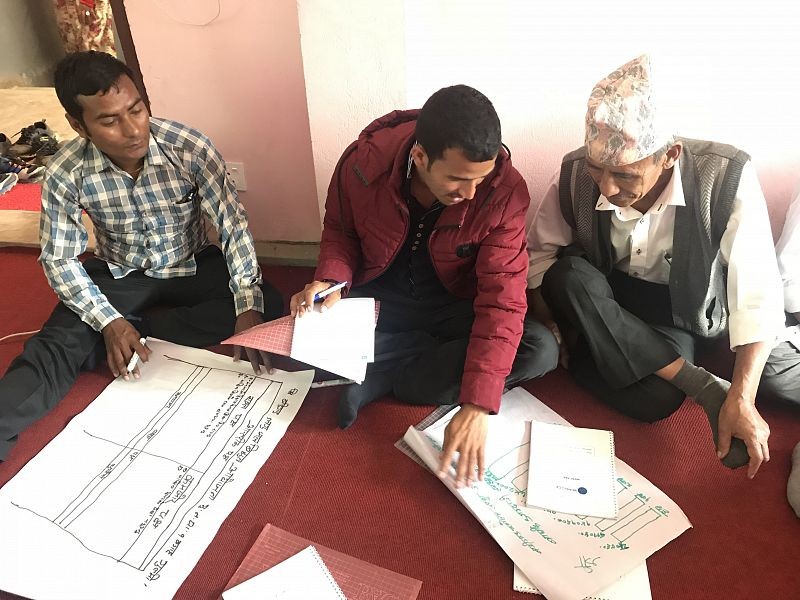
The objective of the training workshops was to build the capacity of micro-hydro plants to operate as commercially viable enterprises. This objective was achieved by focusing on knowledge exchange, managerial and business model training, business plan development and computer-based account management systems.
The workshops provided everything from instruction on accounting practices (single- vs. double-entry) to maintenance checklists (bolt turbine connections once a year) to meter-reading basics (set aside days each month and inform customers in advance).
Participants at a recent workshop began by sharing what they had learned and implemented from earlier training sessions. Amongst other things, managers reported the following changes: extended service hours, increased salaries to motivate employees and the introduction of late fees or a policy of disconnecting customers who had not paid their bills.
To read more about Winrock‘s activities, please visit their project website.