E-cooking offers promising opportunities for rural enterprises in Nepal, boosting savings, health, and micro-hydropower sustainability. Our new report highlights key findings from twenty small businesses in Baglung.
Meet The WISIONS Team At The 10th LCS-RNet Meeting & ISAP 2018 In Yokohama, Japan
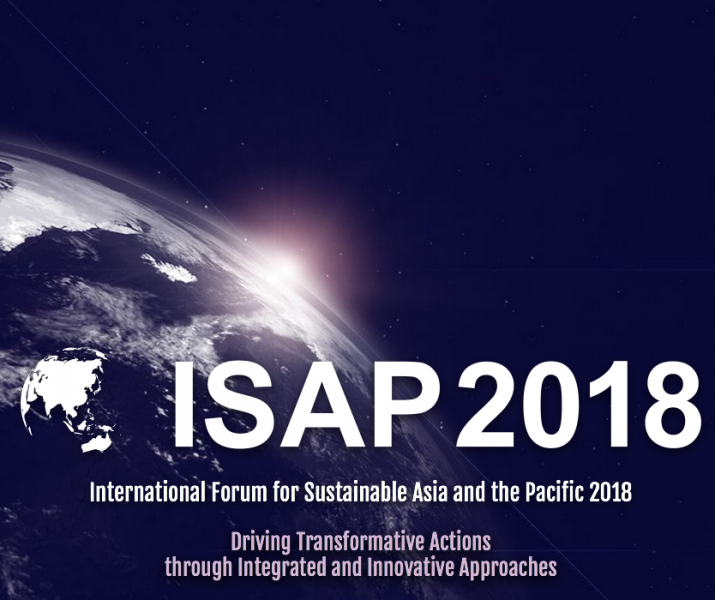
The WISIONS team will participate in the 10th Annual Meeting of the LCS-RNet on 17 July 2018 as well as ISAP – the International Forum for Sustainable Asia and the Pacific from 18-19 July 2018 in Yokohama, Japan.
To fight climate change, nearly 200 countries signed the Paris Agreement in December 2015. However, the current Nationally Determined Contributions (NDCs) to lower greenhouse gas emissions will not be sufficient to realise the well below 2 degrees target. What is required are more ambitious greenhouse gas reduction scenarios, roadmaps and actions to achieve zero-carbon.
On 17 July, the 10th annual meeting of the International Research Network for Low Carbon Societies (LCS-RNet) will be held in Yokohama, Japan. In this meeting, proposed actions towards an ambitious decarbonised world in various regions and sectors will be shared and their effective implementation discussed.
Dr. Julia Terrapon-Pfaff of the WISIONS team will give a presentation within a session on the 1.5/2 degree targets and long-term low-carbon global development strategies, which will focus on the implementation of NDCs in emerging, developing and least developed countries. The meeting is free of charge. If you wish to participate, please follow this link.
The LCS-RNet meeting takes place in conjunction with the International Forum for Sustainable Asia and the Pacific, which Dr. Julia Terrapon-Pfaff will also attend.