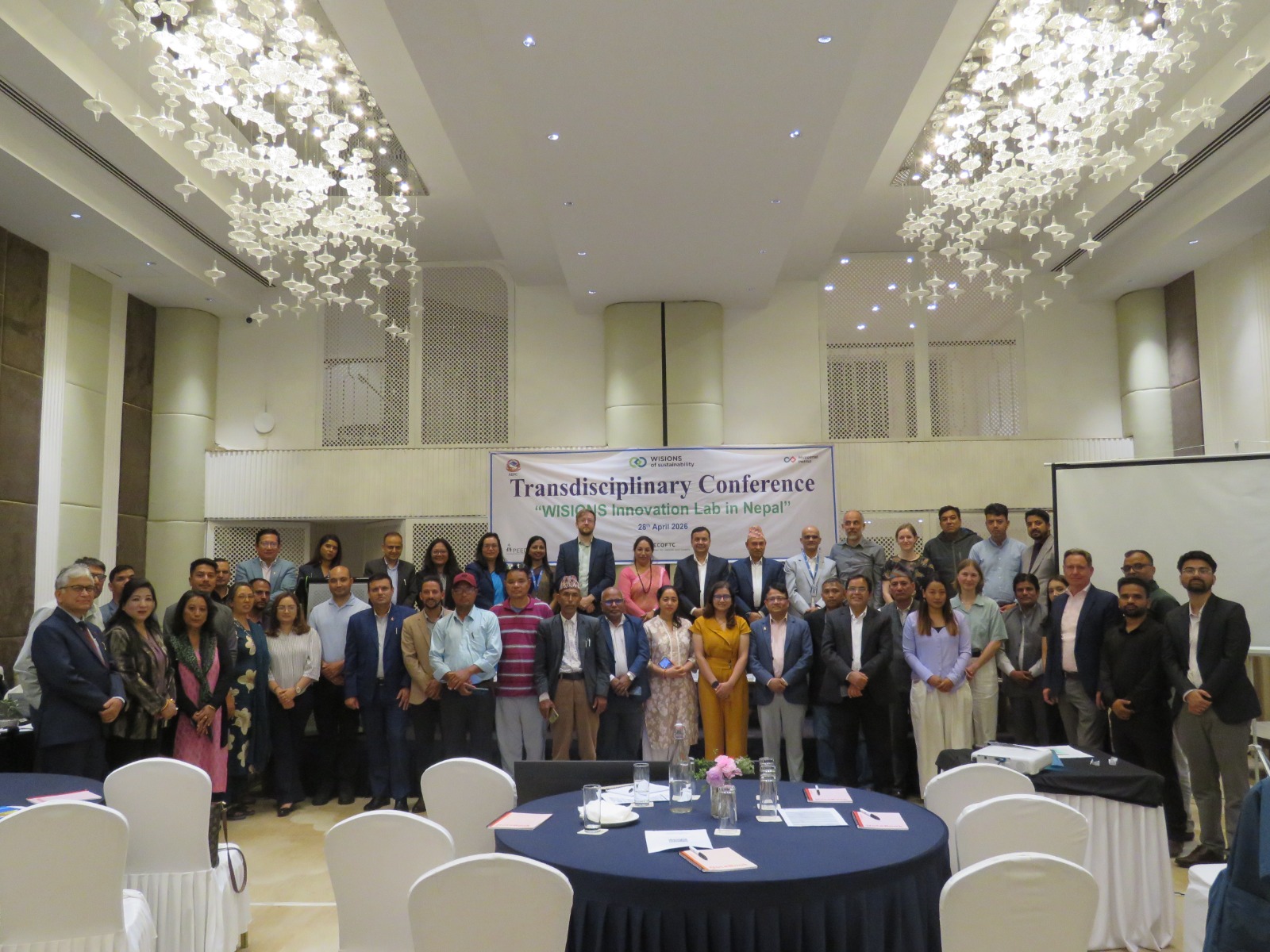
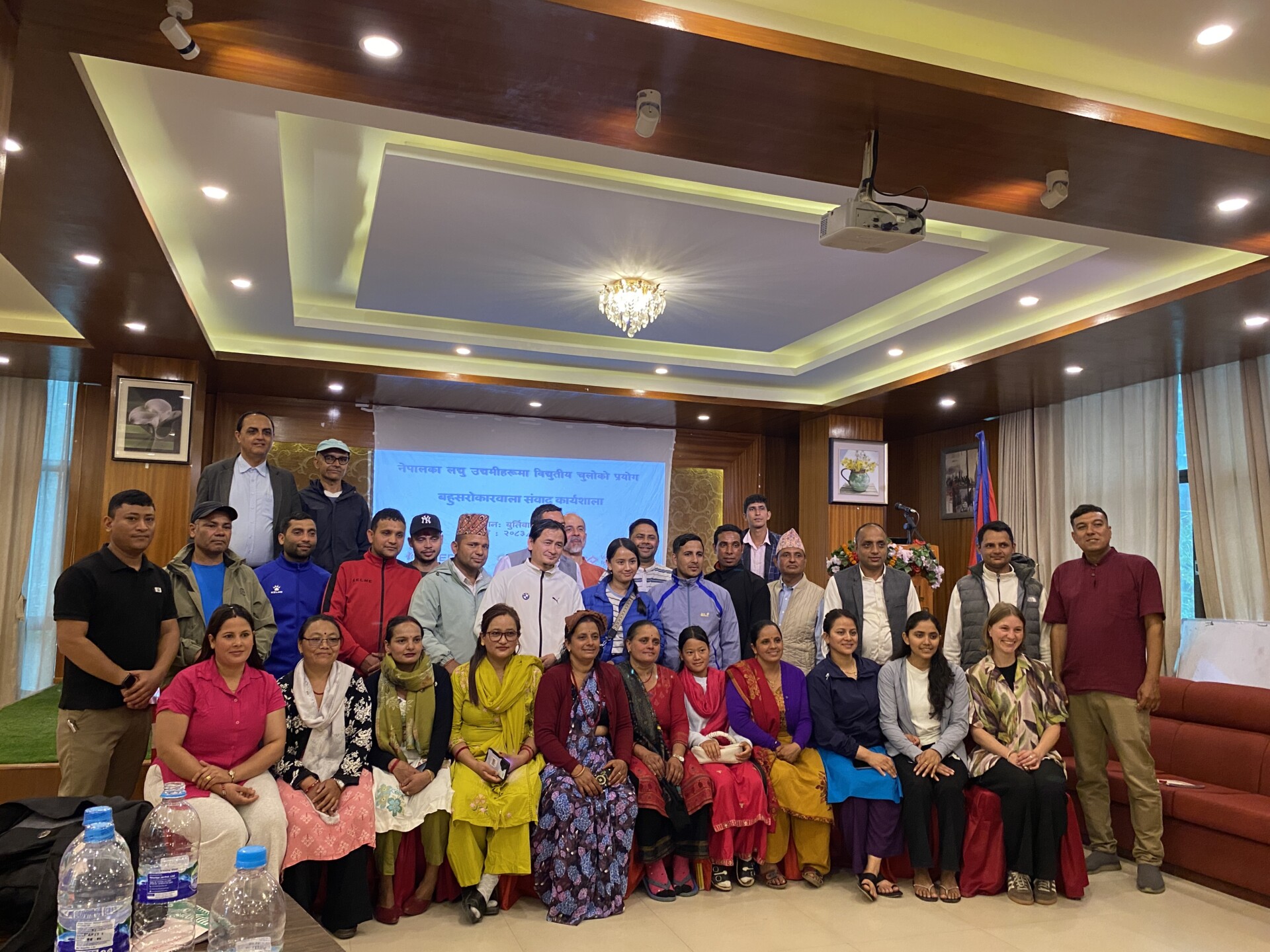
E-cooking offers promising opportunities for rural enterprises in Nepal, boosting savings, health, and micro-hydropower sustainability. Our new report highlights key findings from twenty small businesses in Baglung.
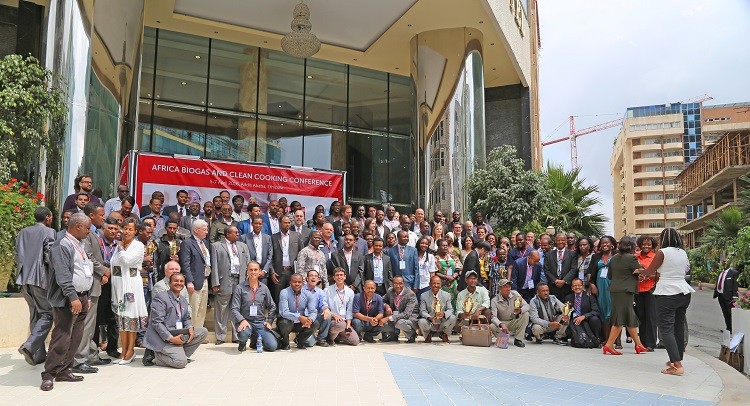
Outcomes of the 2016 "Africa Biogas and Clean Cooking" Conference
In April 2016, the coordinator of the RedBioLAC network, which is supported by WISIONS, participated in the Africa Biogas and Clean Cooking Conference. It was organised by Hivos, SNV and the Ministry of Water, Irrigation and Electricity in Ethiopia, in cooperation with the Global Alliance for Clean Cookstoves.Minimize
The conference attracted around 140 participants and around 80% were from Africa. While biogas digestion systems for domestic use are widely established across Asia, the African continent still lacks the know-how and expertise regarding these technologies.
Recently, prefabricated fixed-dome biodigesters and different kinds of tubular digesters have been trialled but, to date, only 5% of the implementation potential for biogas plants in Africa has been realised. The main challenges include low initial investment capacities, limited knowledge (especially regarding the potential end uses of biogas and effluents) and poor quality systems.
During the conference, various sessions dealt with the potential and benefits of biogas use for cooking purposes, urban sanitation and communal usage. Further discussions included a market assessment of biodigesters, the question of financial accessibility and possible adaptions to international implementation models.
A more detailed report is available on the RedBioLAC website (in Spanish only).