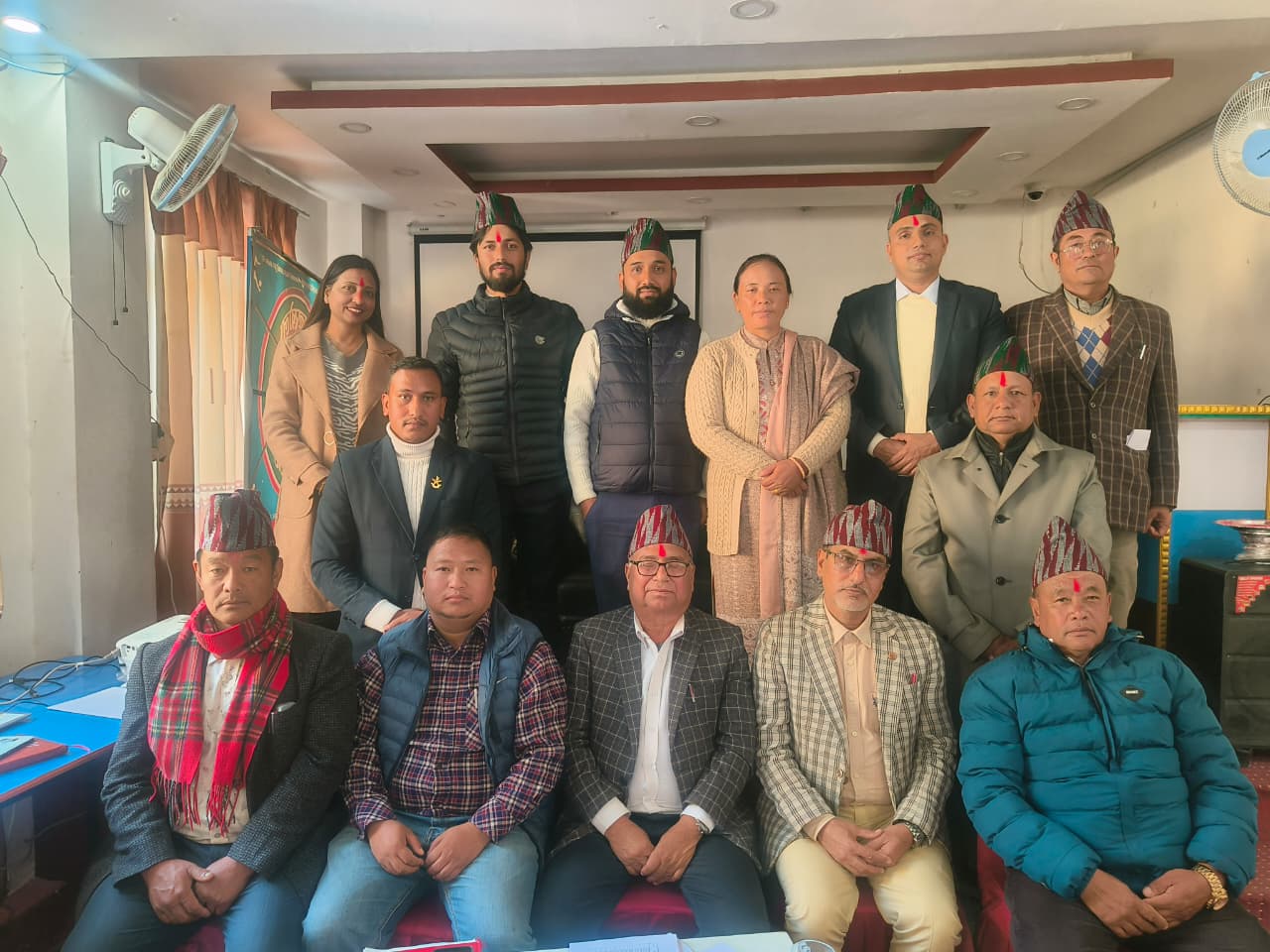
E-cooking offers promising opportunities for rural enterprises in Nepal, boosting savings, health, and micro-hydropower sustainability. Our new report highlights key findings from twenty small businesses in Baglung.
Electrifying Kitchens in Micro-Enterprises – The Story of Electric Cooking in Baglung
Introducing eCooking to micro-enterprises in Baglung
Electric Cooking (eCooking) is gaining interest for small enterprises such as restaurants and hotels in Baglung district. Following cooking demonstrations in early 2025 (read more here), PEEDA, through the WISIONS Innovation Lab (Phase III) Project, supported 20 micro-enterprises and 2 schools with induction stoves. The project has offered a subsidy to the entrepreneurs that aligns with their financial capacities. In addition to the subsidy, electrical upgrades were done, and the stoves were supplied with suitable cookware that was pre-selected by the entrepreneurs to match their cooking practices. What started as a pilot initiative continues to spark wider interest and dialogue across the community.
Sustained usage of eCooking among early adopters
Roughly one year after the initial adoption of the induction stoves, PEEDA has met the entrepreneurs again and talked to them about their experiences, usage patterns and to find out if they had generated any interest in eCooking among others. Insights show that these early adopters reduced their reliance on LPG and firewood, which lowered their operational expenses and resulted in cleaner kitchens and improved health outcomes. The majority of entrepreneurs highlighted the convenience and time savings of eCooking. Six out of 20 expressed their interest in purchasing additional eCooking appliances, and nine out of 20 were interested in purchasing additional induction compatible cookware as part of their existing eCooking solutions post project intervention.
The entrepreneurs’ experiences have also spread among peers, indicating a spillover effect of curiosity and interest. Most entrepreneurs reported that other businesses, neighbours, and family members had shown interest in their eCooking set-ups and started discussing them.
However, challenges, in particular, frequent power cuts and limited technical capacities of induction stoves still hinders adopters from taking full advantage of their new equipment. The induction stoves face practical shortcomings when used in high-demand settings as induction stoves often struggle to meet the speed and volume requirements of customers who expect quick service. Similarly, cooking in induction stoves takes longer to prepare foods in bulk, creating delays when multiple customers arrive at once. In addition to these technical challenges, limited awareness, cultural preferences, high upfront costs, and gaps in repair services continue to hinder more rapid uptake of eCooking solutions among entrepreneurs. The need for larger induction stoves for addressing quicker customer demands have put LPG still alongside the induction stoves. Yet, LPG cylinders now last two to three months instead of just a few weeks. One of the reasons is due to micro-enterprises shifting towards eCooking, particularly for boiling and simple dishes. Induction stoves have offered a cleaner cooking environment and are ideal for boiling, reheating and preparing small scale meals.
Peer-to-peer eCooking workshop
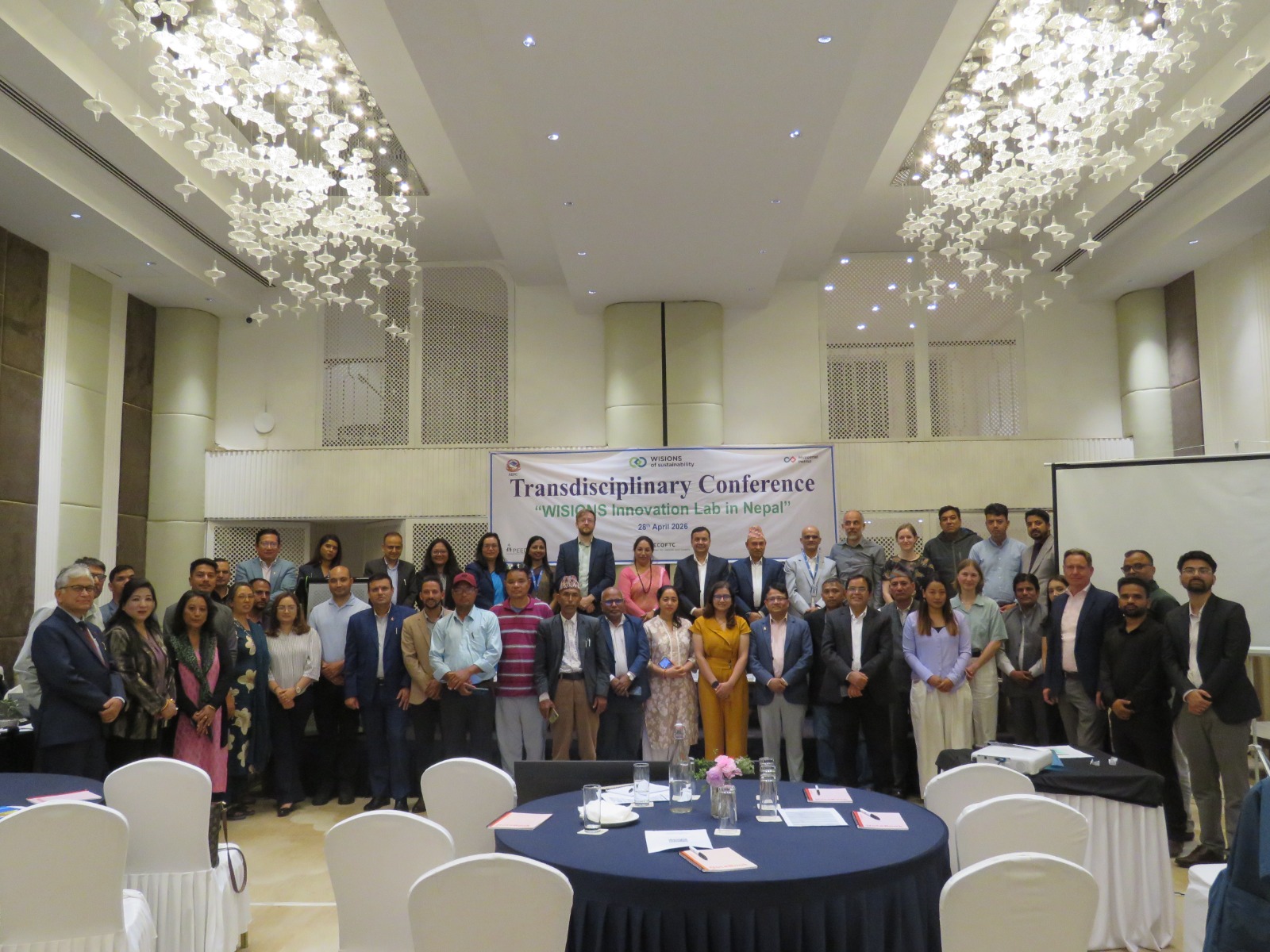
As a follow-up activity of the eCooking intervention through the WISIONS Innovation Lab, PEEDA organized a multi-stakeholder peer to peer eCooking workshop. The workshop took place on May 4, 2026 in Buritbang, Baglung with around 35 participants engaging with each other and providing valuable contributions. Its aim was to co-create a strategy for incentivizing the rapid diffusion of eCooking solutions in the region. The workshop was organized with peer-to-peer cooking demonstrations allowing participants to observe and taste food prepared on the supported eCooking technologies, removing doubts about practical cooking concerns. Four types of very traditional food were cooked during the workshop: Chowmein, Momos, Roasted Chicken and Chicken Gravy.
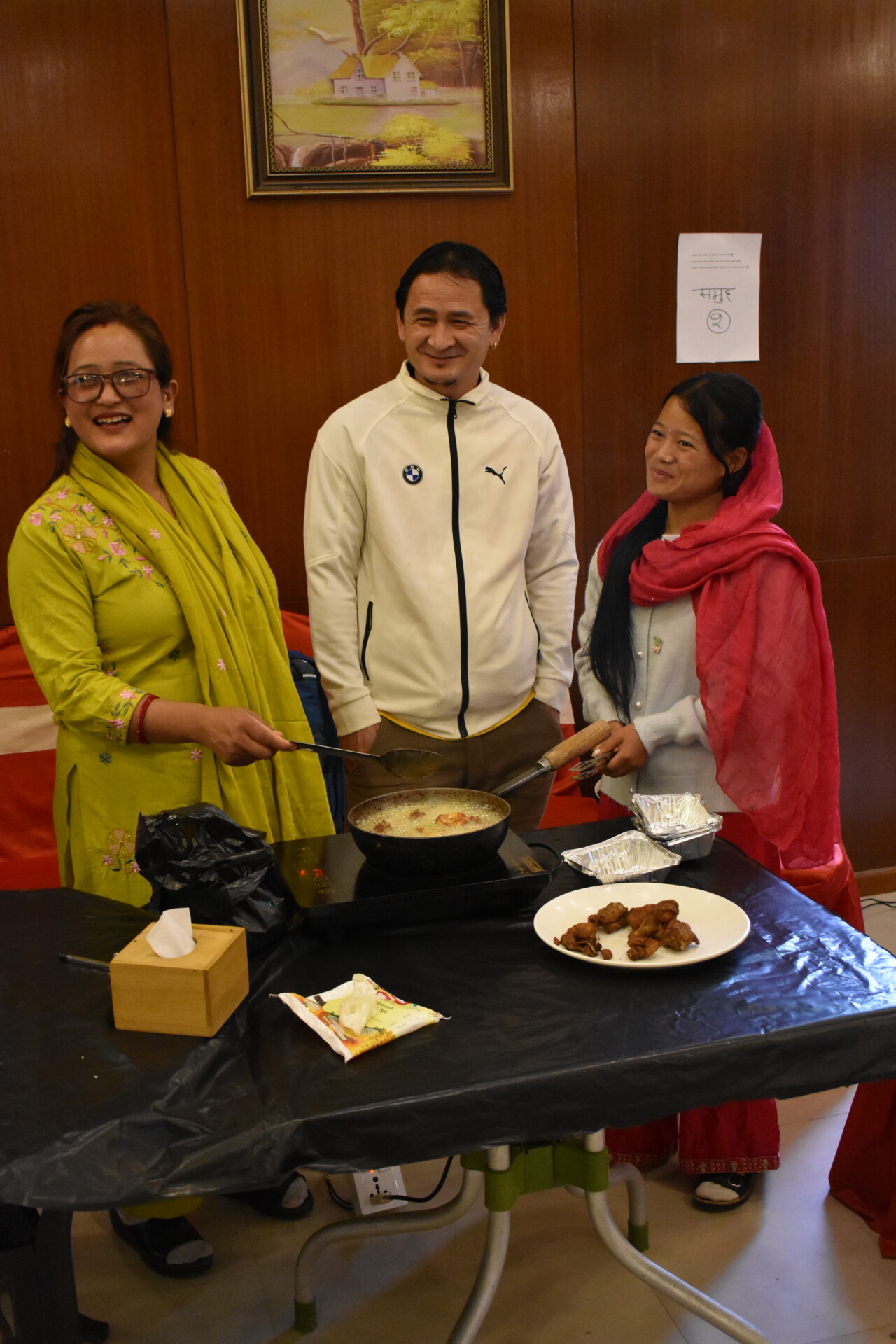
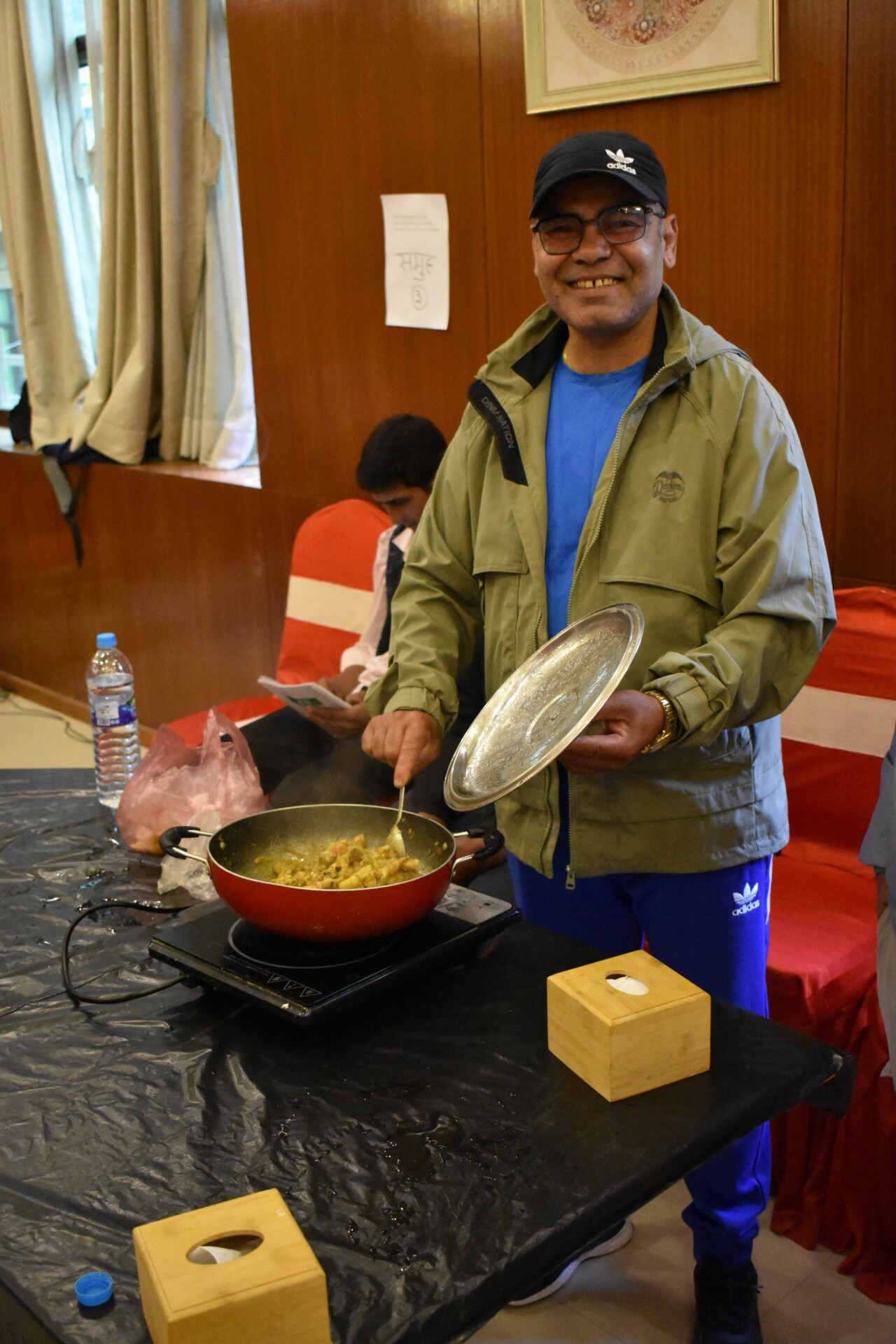
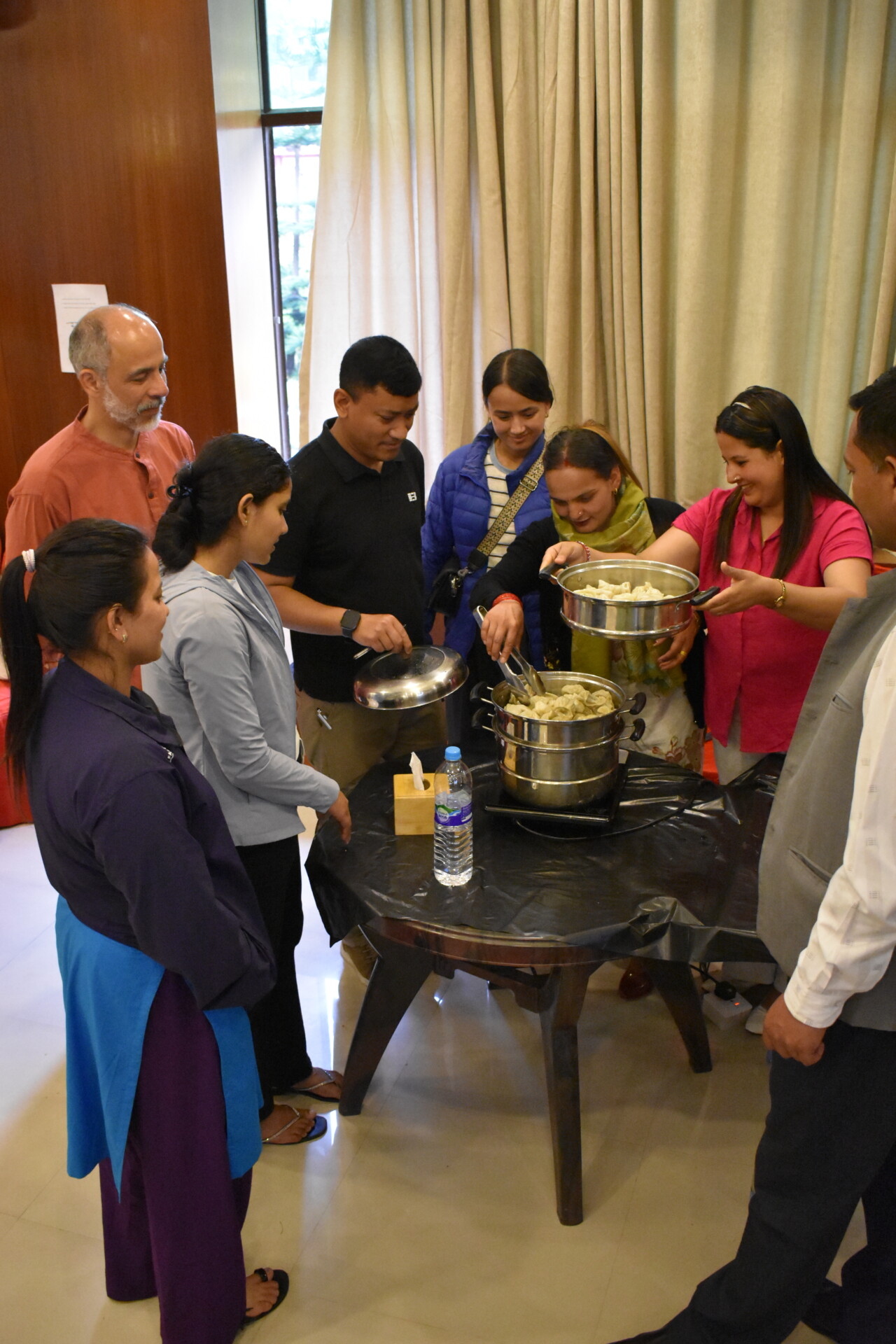
The practical cooking session and food tasting was followed by group discussions and presentations on benefits, challenges and solutions to wider scale of eCooking adoption in the region. Adopters of eCooking conveyed reduced reliance on gas and firewood while saving money, utilizing surplus and convenience with cleaner kitchens. The key challenges included lack of awareness, traditional cooking beliefs and limited knowledge of the usage of technologies. The market gaps in the availability of technologies, repair services and high upfront cost hindered widespread adoption in the region. Suggested measures to overcome the challenges included organizing awareness campaigns, technology demonstrations, training local youths in repair and maintenance and support by local governments via subsidies, warranties and incentives. In addition, local government authorities, school representatives, non-users and other entrepreneurs expressed their views and showed genuine interest after witnessing the experiences of adopters. By bringing adopters, potential users and institutional actors together, the project created a sense of collective ownership over the scaling of eCooking in the region.
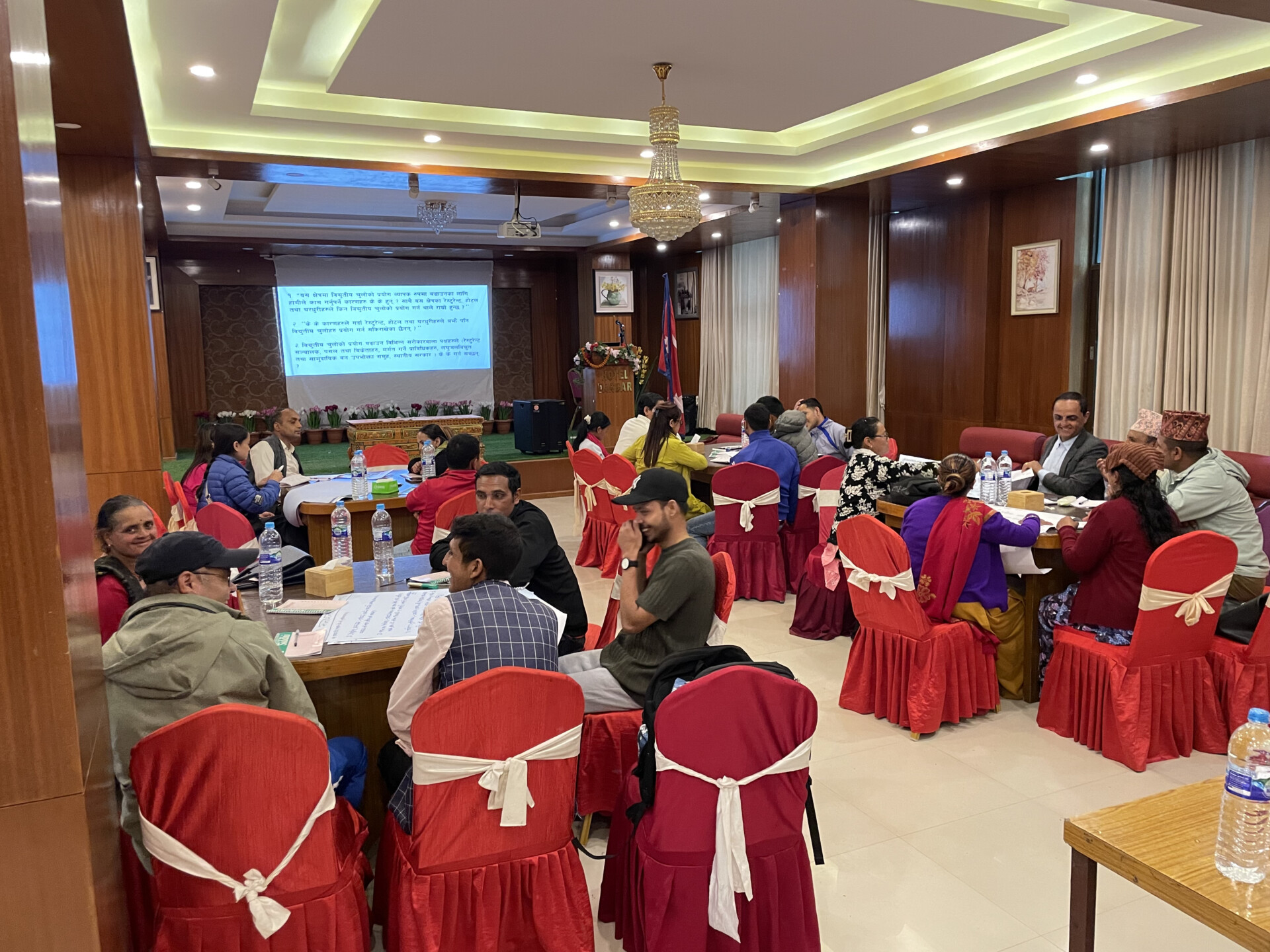
Four groups discussing benefits, challenges and solutions to wider scale of eCooking adoption in Baglung.
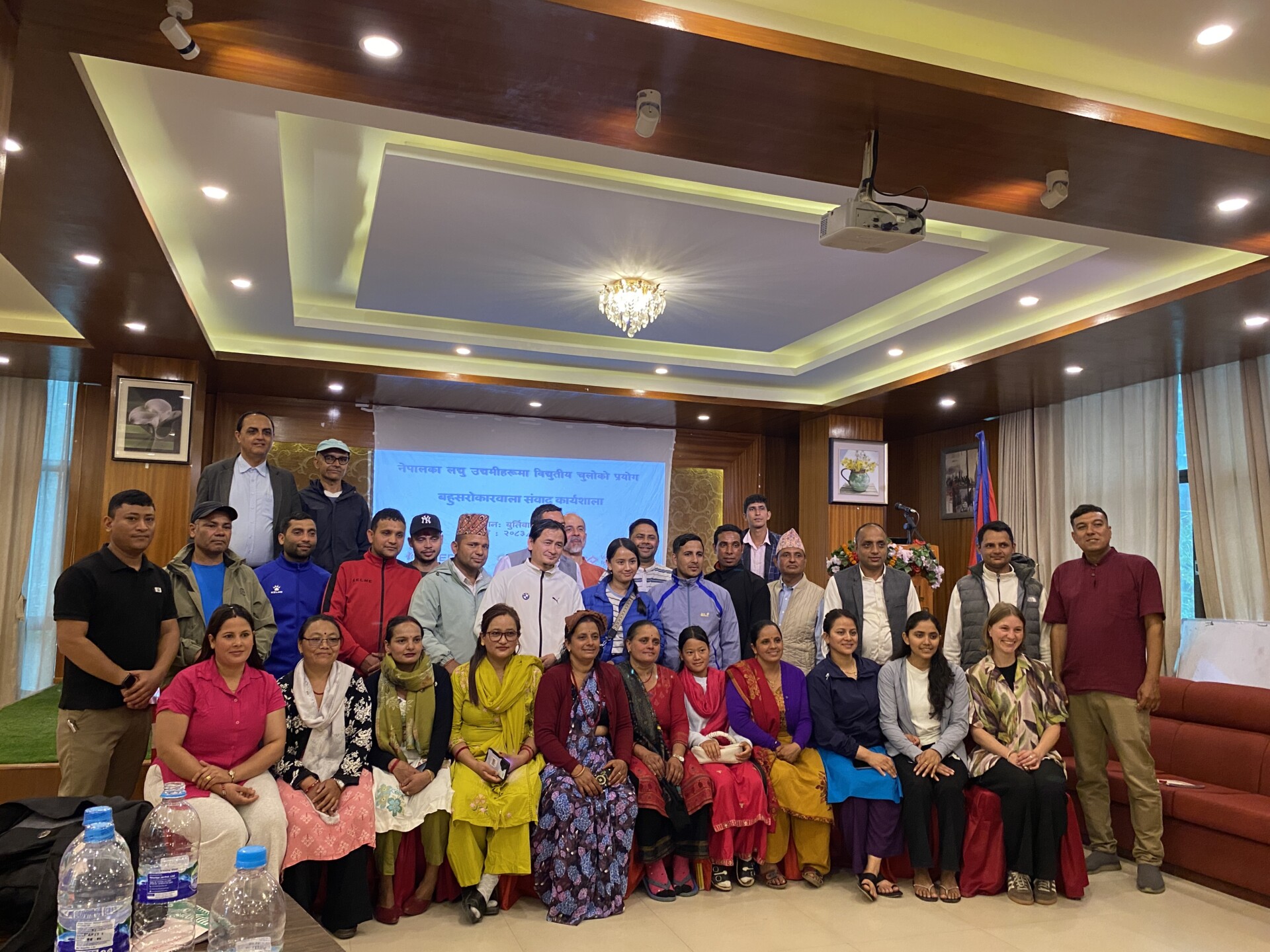
Participants of the peer-to-peer workshop.
Outlook
Baglung’s journey with eCooking demonstrates that technology adoption is not just about appliances – it’s about people, awareness and collaboration. With the right combination of incentives from the local government, strengthening of electricity infrastructure to provide reliable and uninterrupted power supply and community engagement during technology demonstrations, awareness campaigns and wiring upgradation, eCooking can be widely spread across Nepal, helping to achieve national energy and climate goals. This will foster sustainable cooking practices both at the household and enterprise level, contributing to financial saving and environmental protection. Given the abundance of microhydropower in the Baglung region, communities, local governments and businesses in Baglung and elsewhere in Nepal should explore the opportunity to promote eCooking, address existing challenges and create healthier kitchens, stronger economies and a cleaner environment.
A follow-up report with more detailed analysis on sustained usage and market and demand effects will be published soon. The report will offer insights into the long term potential of enterprise level eCooking in Nepal.