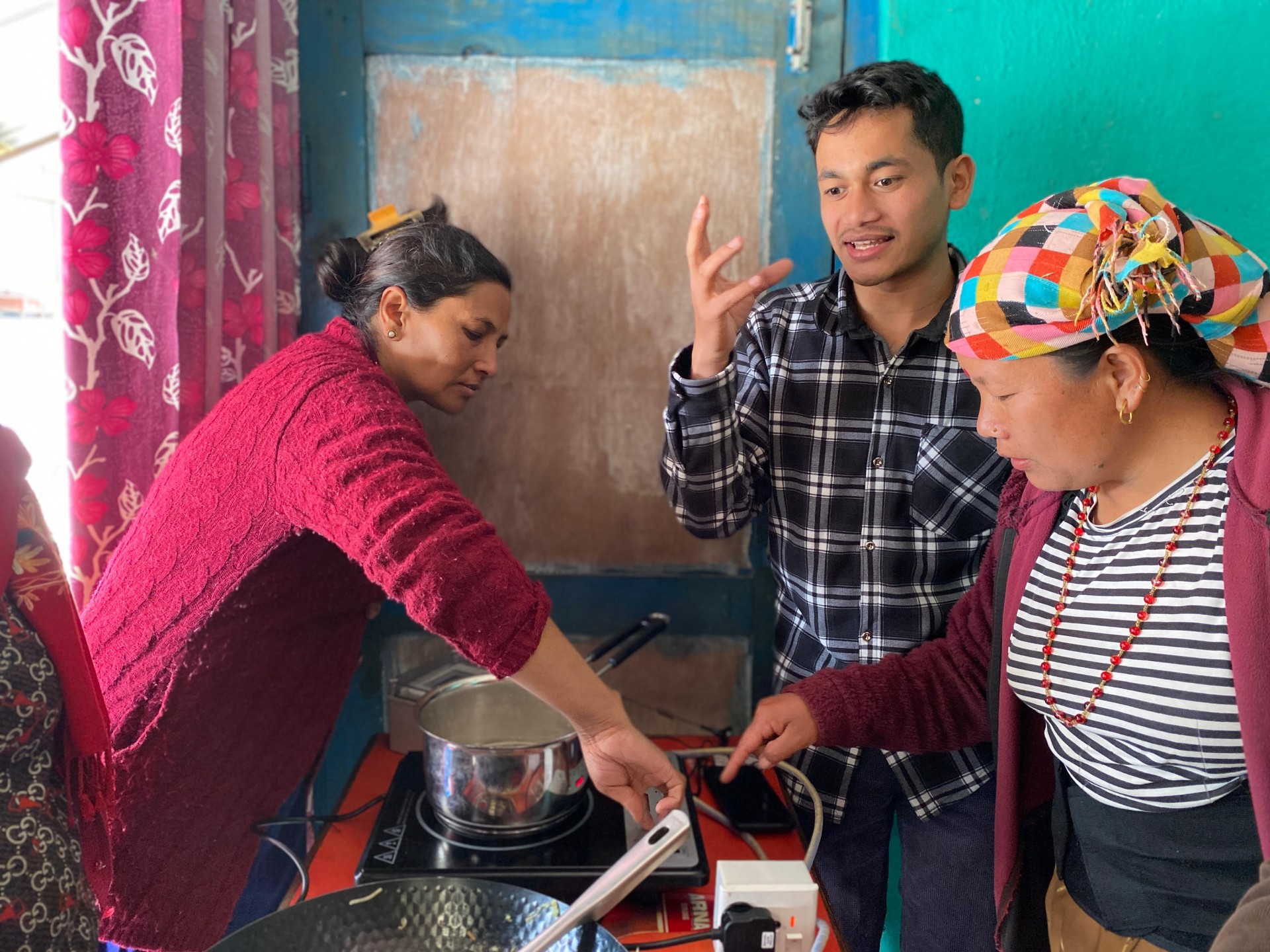
E-cooking offers promising opportunities for rural enterprises in Nepal, boosting savings, health, and micro-hydropower sustainability. Our new report highlights key findings from twenty small businesses in Baglung.
RedBioLAC Establishes Five Thematic Working Groups
his year the RedBioLAC network has initiated the creation of five topic-specific working groups. The working groups were formed through a bottom-up process, in which network members were called to connect with others to discuss and put forward their topics of interest.
The call for proposals was open until 31st January, after which an internal evaluation commission selected five topics for this new component in the RedBioLAC structure. The topics to be addressed by the initial working groups are:
- Quality evaluation of effluents
- Reducing the water demand of the technology
- Solar-based thermal heating for biodigesters
- Creation of a RedBioLAC magazine
- Development of distance learning courses
The formation of topic-specific working groups is one of the main strategies formulated by RedBioLAC to increase the involvement of network members in the development of cooperative projects. It is also a way of harnessing the great diversity of knowledge and capacities within the network to address knowledge gaps or challenging issues in order to advance RedBioLAC’s central aim: “achieving universal use of biodigester technology as a tool for contributing to a better quality of life and empowerment of population in Latin America and the Caribbean”.
More information is available here. (Spanish only)