
By loading the map you accept the privacy policy of Google.
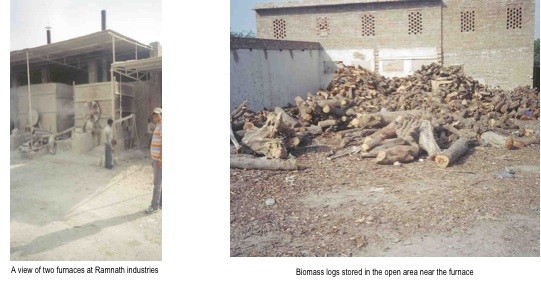 Plaster of Paris is an important productive sector in Khara industrial area. About 200 small productive units are consuming between 130 and 700 tons of wood per annum. Therefore,the Energy and Resources Institute (TERI) developed and introduced biomass gasifiers in this sector. The major objective of the project was the adaptation and standardization of the technology to the particular conditions, the installation of demonstration plants and a dissemination campaign to promote the dissemination of a cleaner and efficient energy source for an important economic cluster in Khara, India.
Projects with same technology
Exchange: Waste to Wisdom: Supporting Biodigester Practitioners in South East Asia
This knowledge exchange activity aims to address the technical gaps in organisations in Malaysia and the Philippines by providing them with the skills to install and operate biogas digester systems efficiently and affordably.
Setting Up an Innovative Jaggery Processing Cluster Level CFC Model through a Thermal Biomass Gasifier System in the State of Karnataka
The project aims to demonstrate the integration of thermal biomass gasifiers (efficiency > 70%) in the jaggery units for heating, with the aim of making the production process more energy efficient and user friendly, as well as improving the working environment and the quality of the produce.
Projects in same country
Setting Up an Innovative Jaggery Processing Cluster Level CFC Model through a Thermal Biomass Gasifier System in the State of Karnataka
The project aims to demonstrate the integration of thermal biomass gasifiers (efficiency > 70%) in the jaggery units for heating, with the aim of making the production process more energy efficient and user friendly, as well as improving the working environment and the quality of the produce.
Value-addition to food crop processing: Converting banana plant-waste to cooking-fuel
To provide clean cooking fuel at village level while improving income opportunities and giving appropriate treatment to crop residues