E-cooking offers promising opportunities for rural enterprises in Nepal, boosting savings, health, and micro-hydropower sustainability. Our new report highlights key findings from twenty small businesses in Baglung.
Micro-Hydro Plants as Commercially Viable Enterprises
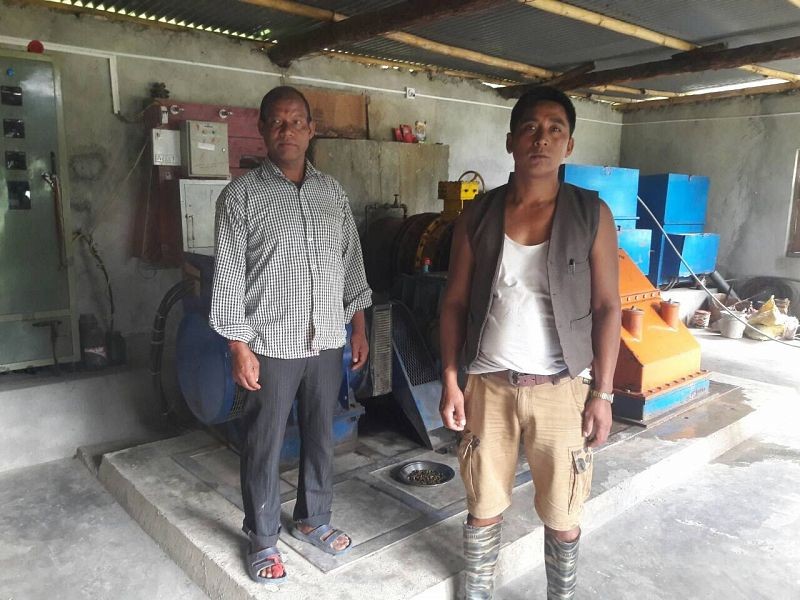
In Nepal, micro-hydro power generation is already widespread. Nevertheless, challenges such as poor management, weak technical skills and poor financial operation prevent community-owned micro-hydro plants from making a lasting impact on people’s livelihoods.
One of our SEPS Exchange Activities aims to expand the knowledge base among technically sound, but managerially and financially weak hydropower plants to ensure their sustainable commercial operation.
Over the last two months, WINROCK – our partners in this exchange – examined several micro-hydro plants installed previously by AEPC, conducted four meetings with AEPC and RERL to discuss future knowledge sharing activities, and selected five micro-hydro plants where the knowledge and consultancy exchange activities will be implemented. Currently, local experts and consultants are being recruited and the forthcoming training sessions are being finalised.