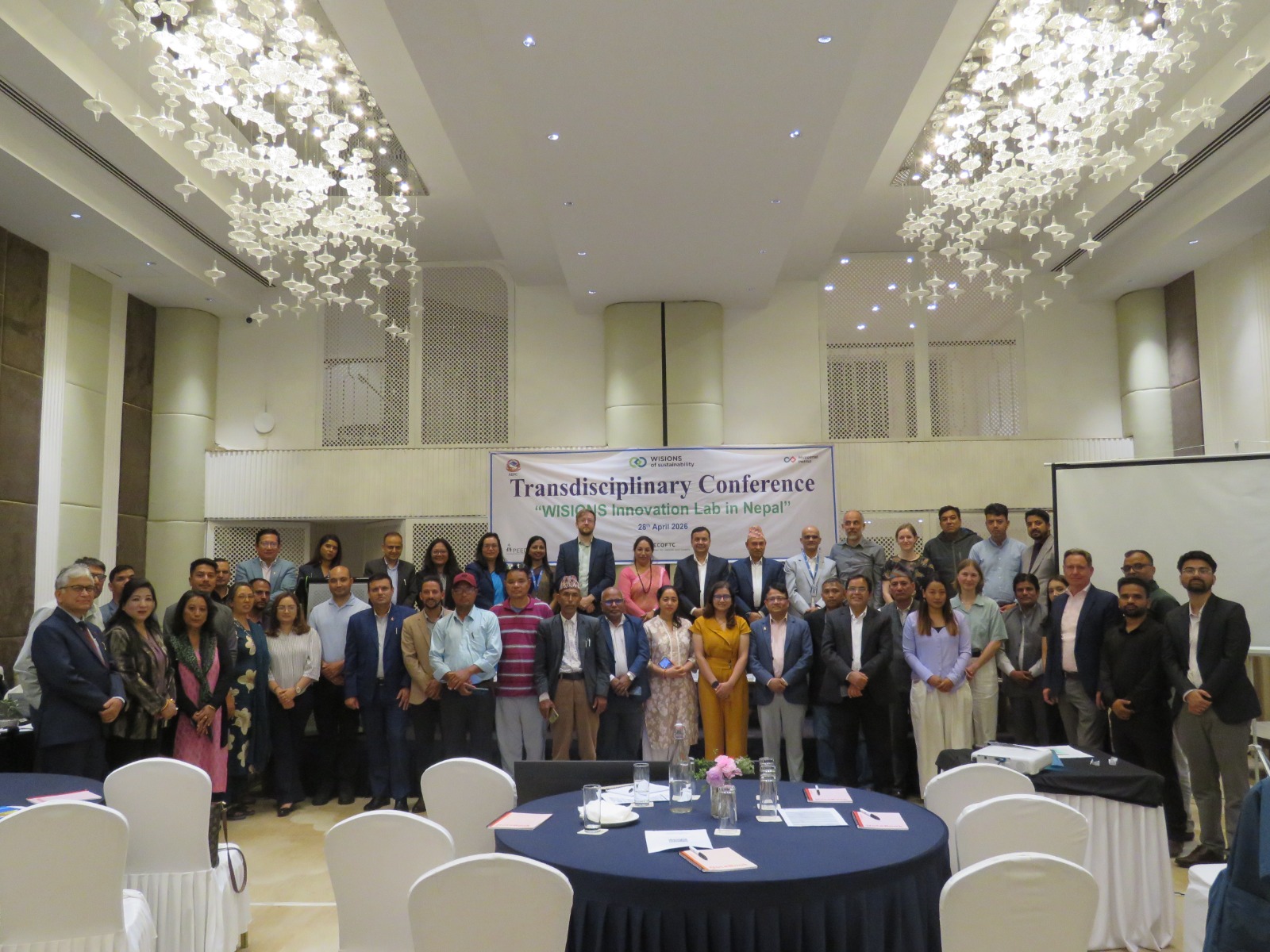
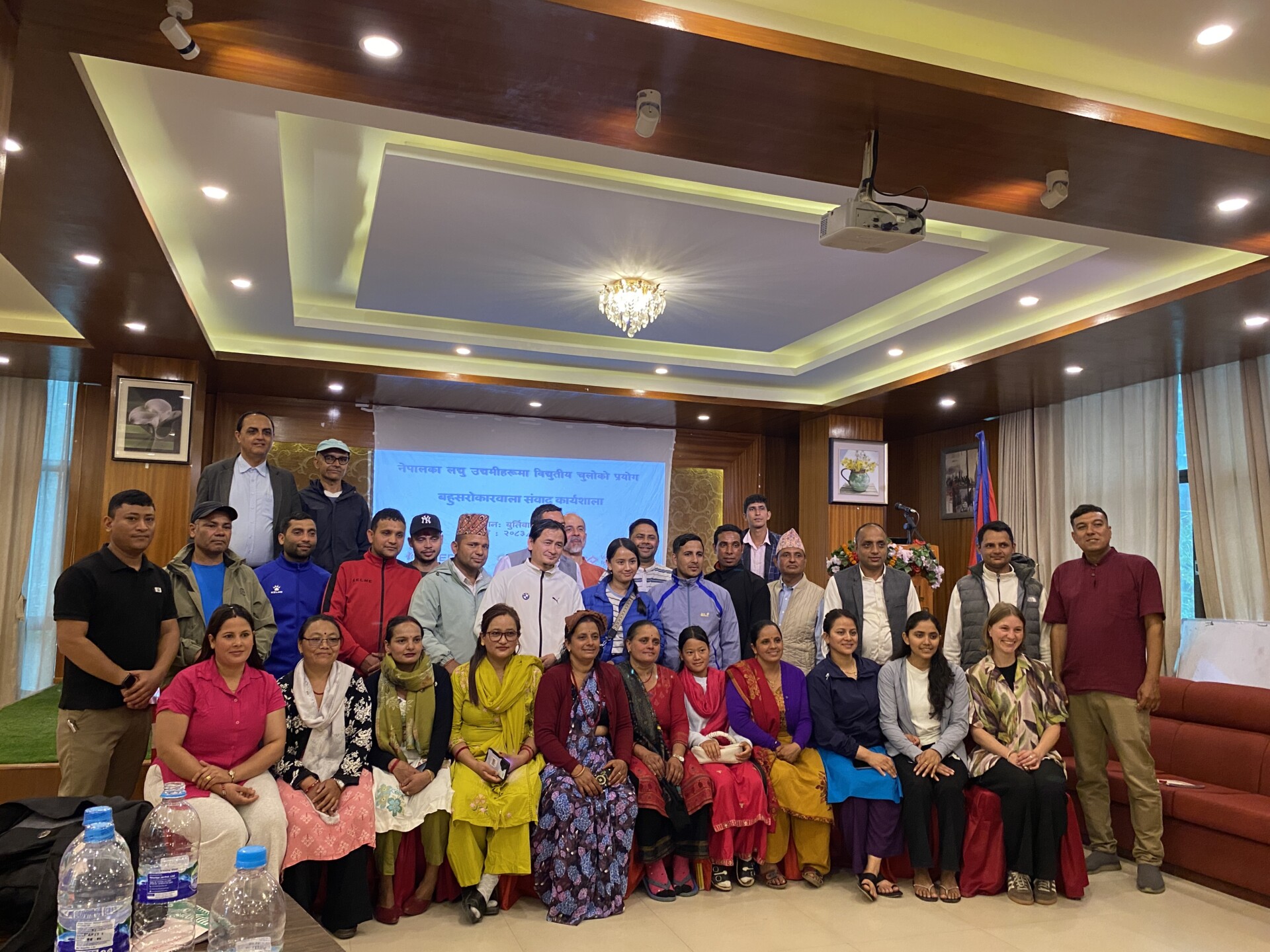
E-cooking offers promising opportunities for rural enterprises in Nepal, boosting savings, health, and micro-hydropower sustainability. Our new report highlights key findings from twenty small businesses in Baglung.
Biogas Production from Slaughterhouse Wastewater in Quito, Ecuador
One of our SEPS projects in Ecuador aims to demonstrate the potential for producing biogas from slaughterhouse wastewater treatment. The biogas will then be used for the purpose of heating water, thereby minimising the use of fossil fuels and the associated expenditure on energy.
This project is led by CIMNE, who started implementing this technology in mid-2016. Over the last few months, several feasibility and measurement studies have been undertaken, including wastewater flow and characterisation, biogas potential, and the calculation of fuel/water consumption of a boiler used for heating and drying processes at the slaughterhouse.
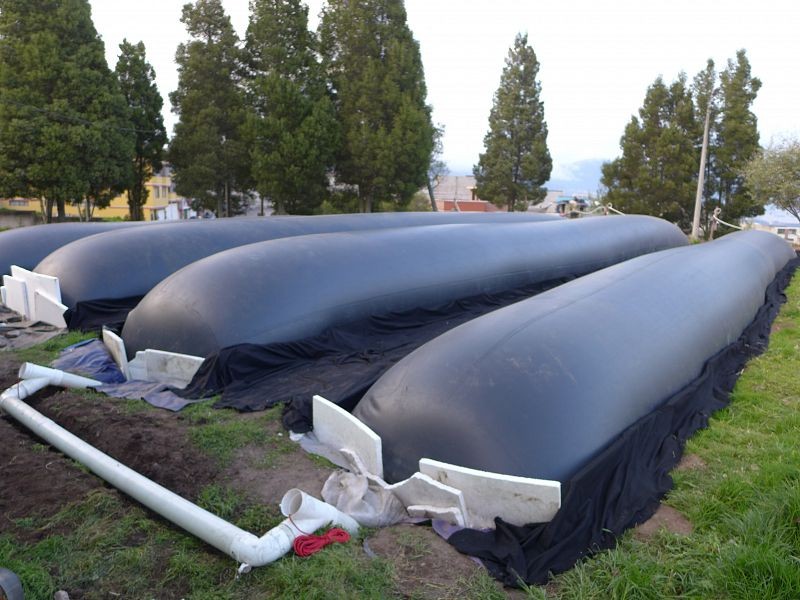
After designing the biodigesters, four tubular units (100m3 each) were constructed on-site by a local manufacturer. It is estimated these will produce 157m3 of biogas per day from 72m3 of wastewater.
As well as monitoring the operation of the digesters, next steps include the installation of distribution lines transporting the biogas to its point of use: a new boiler to be powered by sustainable energy.
Photos of the project’s progress are available on our Facebook page, while more general information is available on our project page: Biogas from Slaughterhouse Waste Water Treatment for Heating Purposes