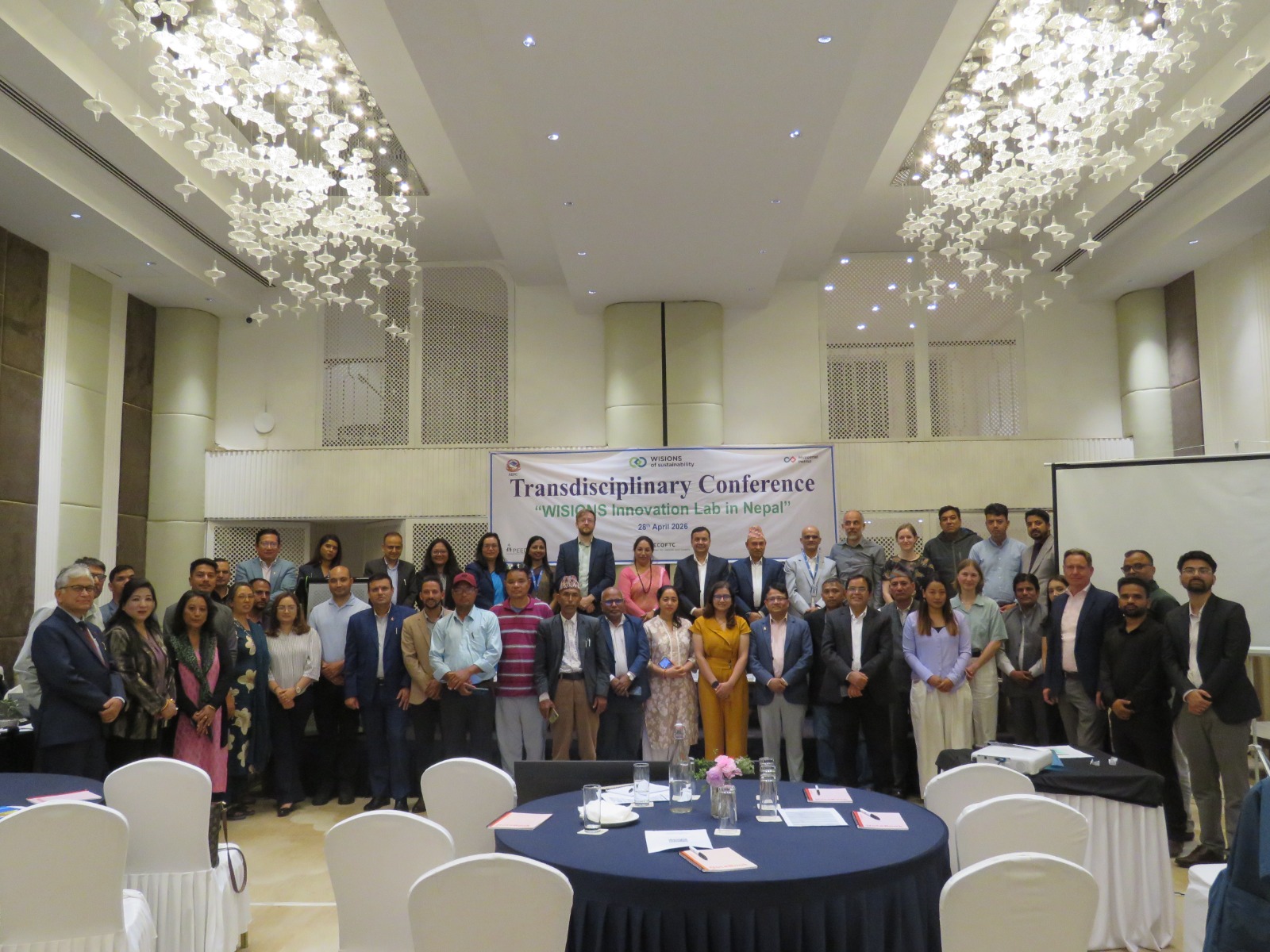
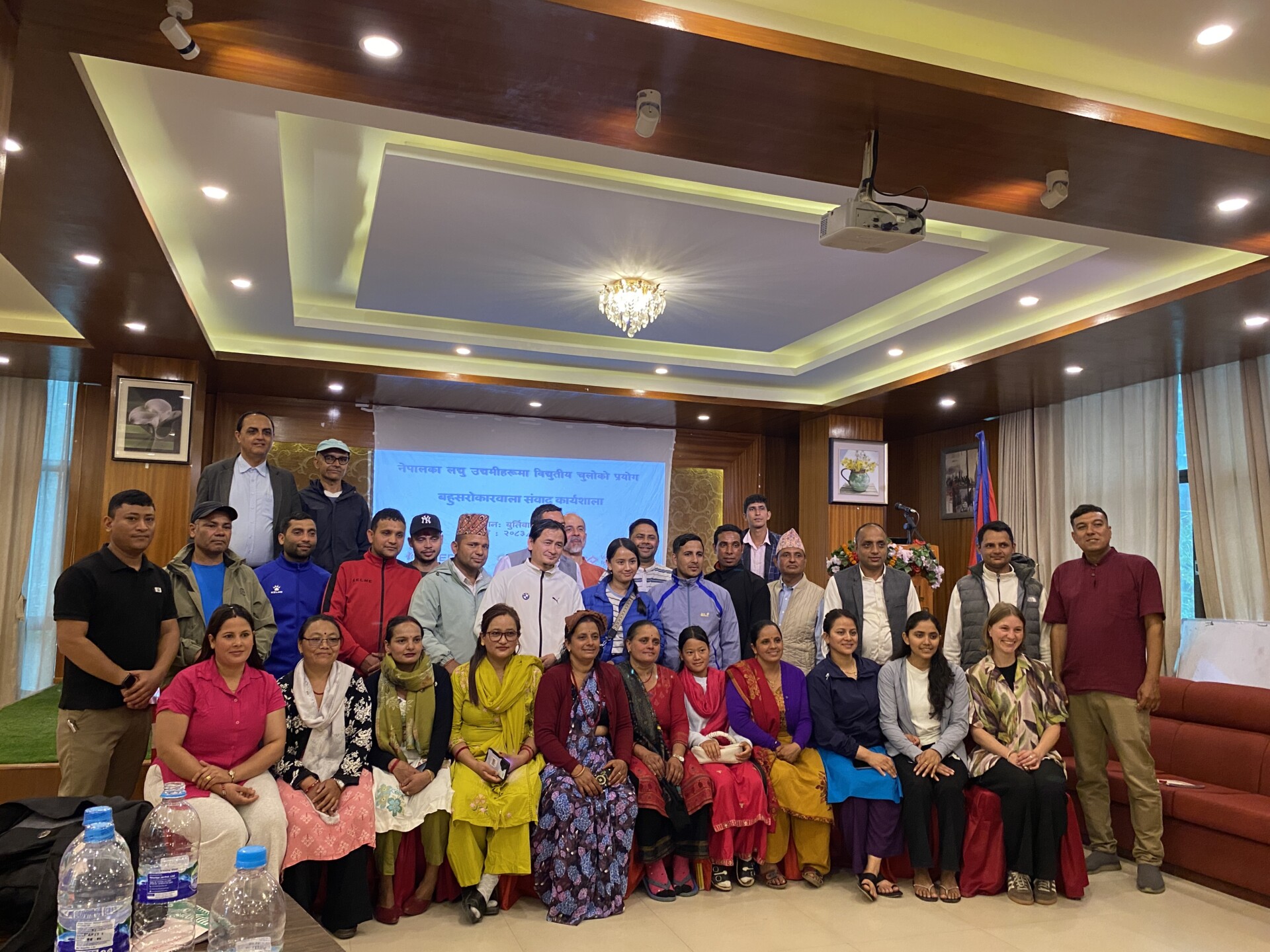
E-cooking offers promising opportunities for rural enterprises in Nepal, boosting savings, health, and micro-hydropower sustainability. Our new report highlights key findings from twenty small businesses in Baglung.
Project Kicks Off Fieldwork in Nepal
Our Nepalese partners of the Innovation Lab have started with the first fieldwork in the mountainous Jumla District. They consult with local communities, groups and government representatives and make out opportunities for enhancing rural livelihoods of mountain communities in Nepal.
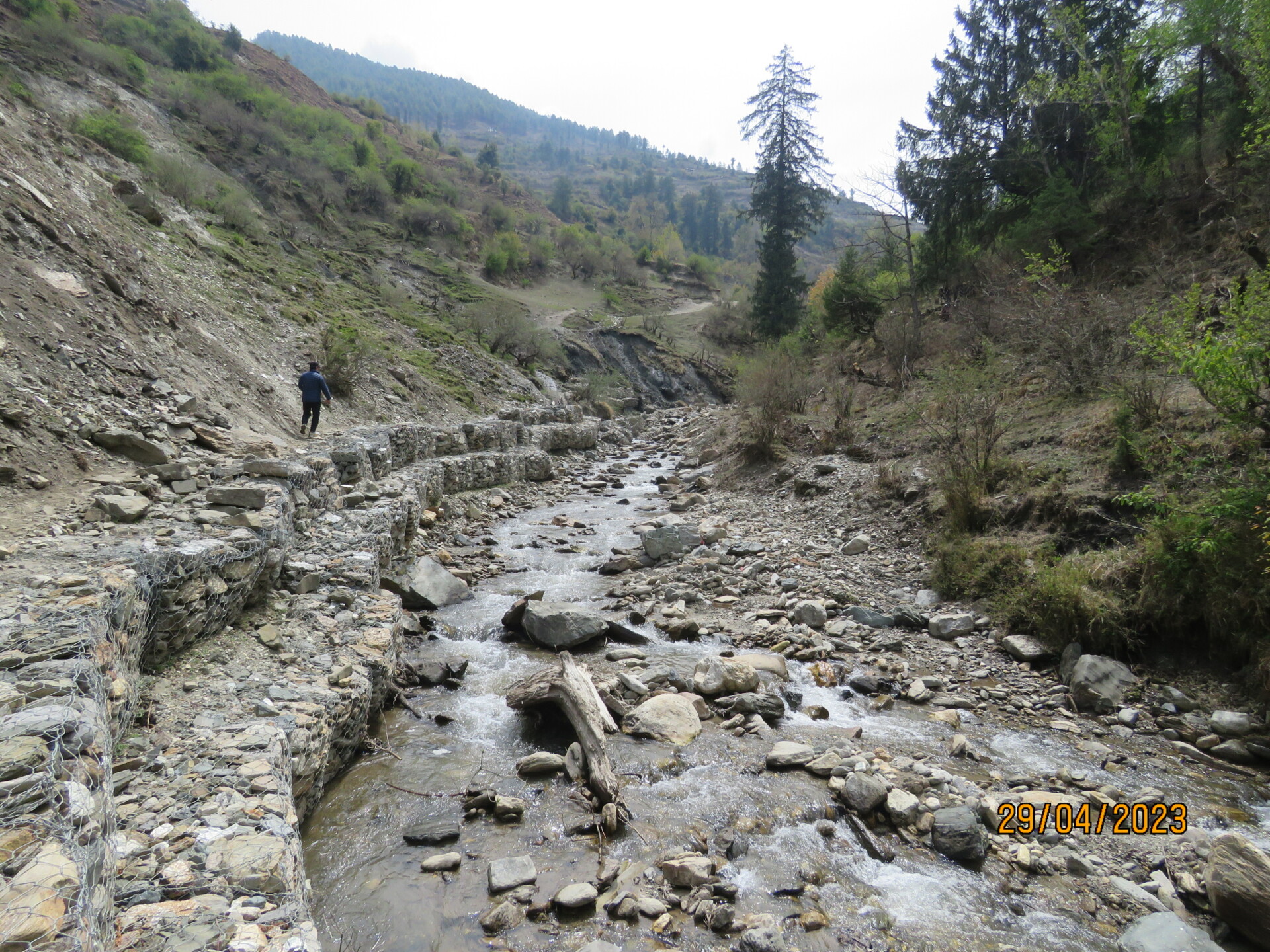
In Jumla, micro-hydro power systems are a reliable source of clean energy. However, large-scale deforestation and river exploitation in the mountains have endangered these installations, and climate change further threatens their operation.
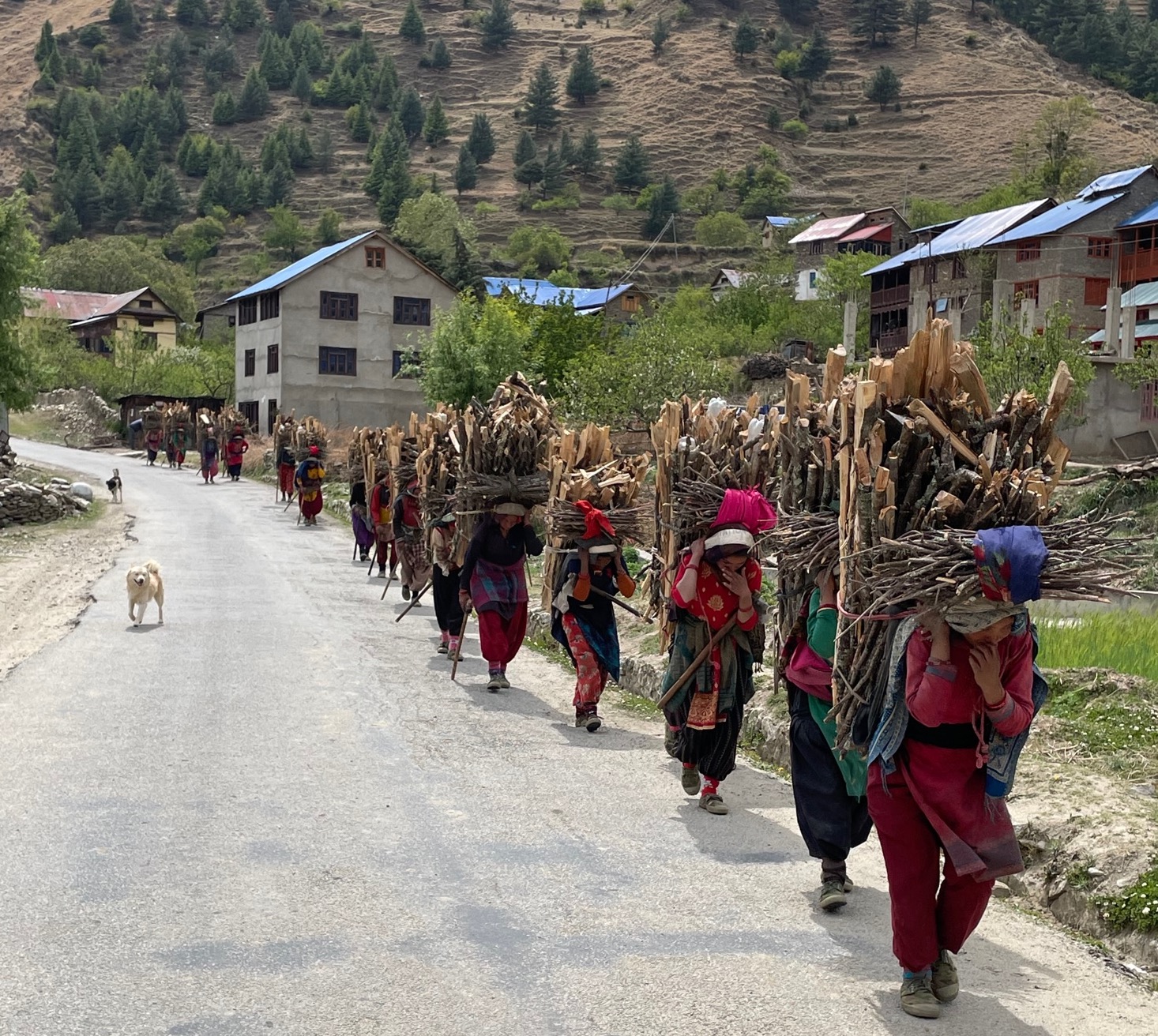
Meanwhile, wood remains a major energy source for people in Jumla, with women typically responsible for collecting, transporting and stacking it. The use of clean cooking technologies can significantly reduce the time and labor for women while also improving their health by reducing the high levels of indoor air pollution caused by traditional wood-burning methods.
To ensure that mountain communities continue to have access to reliable sources of clean energy and to strengthen their resilience, sustainable landscape management and integrated energy infrastructure are needed.
Learn more about our Innovation Lab project in Nepal!