
By loading the map you accept the privacy policy of Google.
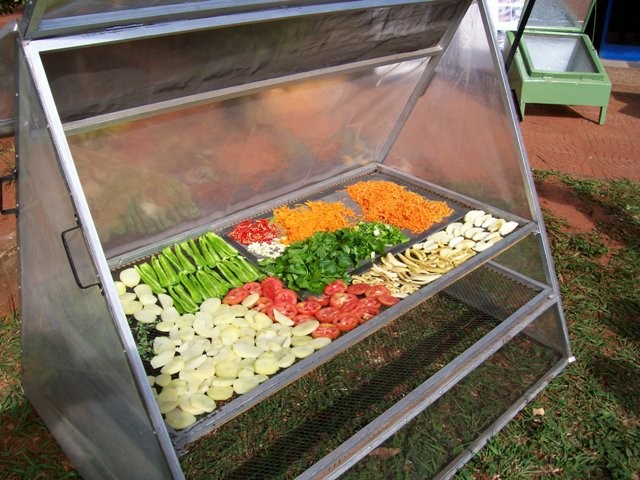 The "Solar Food Processing & Conservation" project, launched by ISES four years ago, aimed to develop efficient methods of solar food processing and to extend the use of this technology (see Phase I and II). The focus of this third phase was an international conference of solar food processing, which took place in January 2009 in Indore, India. The conference (www.solarfood2009.org) provided an active exchange platform for members of the established network (Phase I, SEPS 1), facilitated to share experiences from all over the world, offered workshops with food, marketing and technology experts and fostered new cooperation between participants.
Projects with same technology
Carbon Credits in Benefit of Andean Solar Villages
Using carbon credits to make solar applications affordable and therewith improve the standards of living in local villages
Introduction of the ADES Electro-Solar cooker (E-cooker) in Madagascar
Projects in same country
Renewable Energy and Energy Efficiency in the Urban Health Sector - Bhubaneswar City Health Services
To improve health services for the poor in the city of Bhubaneswar, resulting in greater local socio-economic development and reduction in fuel poverty